
Kirsch (Kirschwasser) is one of the best-known specialities of the Black Forest: a clear fruit brandy distilled exclusively from fermented cherries. “Schwarzwälder Kirschwasser” is registered as a protected geographical indication – the origin of the cherries, the production area and key production rules are thereby laid down.
This article explains what is behind the name, how a kirsch is made and how to enjoy it. The information is based on the EU Commission's technical dossier (draft, as of 9 November 2015), on EU law and on bodies of the state of Baden-Württemberg; you will find all sources at the end of the article.
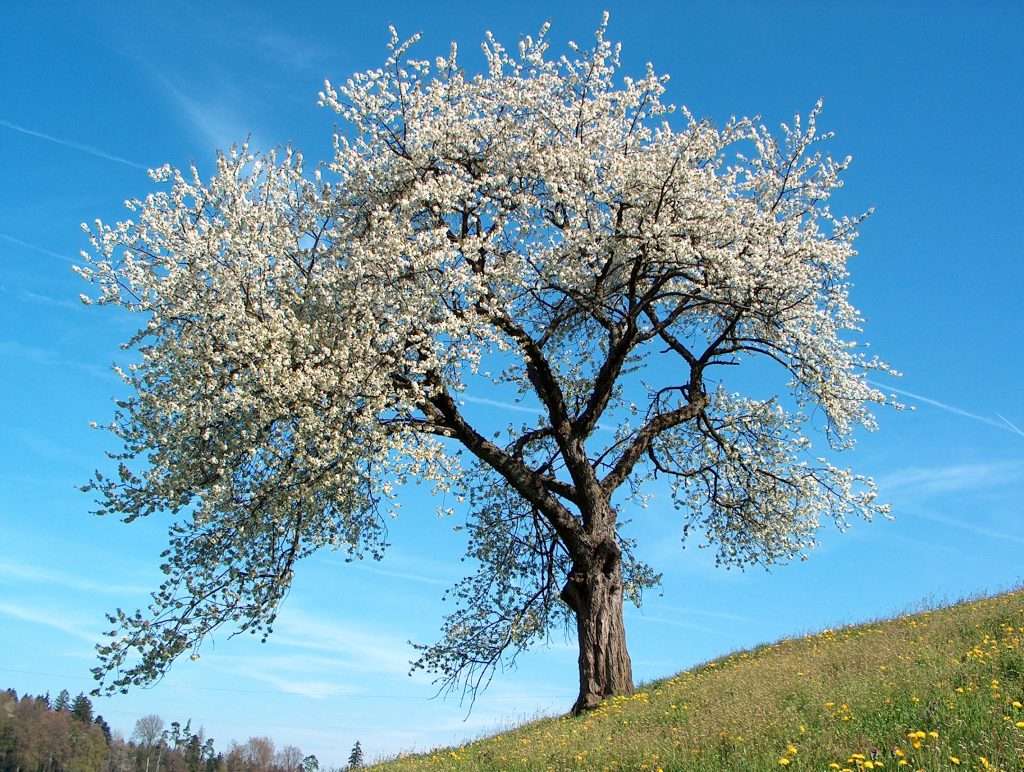
Kirsch: what actually is it?
Under EU law, a fruit spirit is a spirit produced exclusively by alcoholic fermentation and distillation of a fresh, fleshy fruit. Distillation must take place below 86% vol so that the aroma of the fruit is retained. The minimum alcohol content is 37.5% vol; alcohol may not be added and the drink may not be flavoured (Regulation (EU) 2019/787, Annex I, category 9).
“Kirschwasser” is a permitted trade name for cherry brandy: the fruit name is combined with “-wasser”. For the protected Black Forest product, the dossier also names “Schwarzwälder Kirschbrand” and “Schwarzwälder Kirsch” as further permitted designations.
The “Wasser” (water) part of the name refers to its clear appearance. The dossier describes Schwarzwälder Kirschwasser as clear and water-white; if it has been stored in a wooden cask, it may be yellowish to brownish. On the nose it shows a typical cherry aroma, in part with a note of bitter almonds; on the palate it is aromatic of cherry, mild and typical of the variety.
Schwarzwälder Kirschwasser: protected origin
The dossier lists “Schwarzwälder Kirschwasser” as a fruit spirit (category 9) with the protection “g. g. A.” (in English: PGI). The applicant was the Federal Republic of Germany, represented by the Federal Ministry of Food and Agriculture. The Regierungspräsidium Karlsruhe (regional council) also mentions Schwarzwälder Kirschwasser on its page on Spirits with protected origin from Baden-Württemberg.
The area of origin
Kirsch is produced only in the Black Forest and its immediate surroundings from cherries grown there. According to the dossier, the area includes:
- in the Freiburg administrative region, the districts of Breisgau-Hochschwarzwald, Emmendingen, Lörrach, Ortenaukreis, Rottweil, Schwarzwald-Baar-Kreis and Waldshut as well as the urban district of Freiburg,
- in the Karlsruhe administrative region, the districts of Calw, Enzkreis, Freudenstadt and Rastatt, individual municipalities of the district of Karlsruhe and the urban districts of Baden-Baden, Pforzheim and Karlsruhe.
Dilution, bottling and labelling may also take place outside this area.
The cherries
Only distilling cherries from the Black Forest are used, above all the varieties Dollenseppler and Benjaminler; Winterbacher and Schwarze Schüttler are also named. Distilling cherries are small, dark and sweet. They have a higher sugar content and a less favourable flesh-to-stone ratio than dessert cherries, which are excluded for Schwarzwälder Kirschwasser.
The fruit should be ripe, healthy and clean. It mostly comes from standard trees in traditional orchard meadows (Streuobstwiesen), is picked mainly by hand and delivered on the same day.
Soil, climate and history
The dossier points to soils of gneiss, granite and porphyry as well as slopes that protect against cold easterly winds and against overheating during the ripening period from May to July. As the first written mention of cherry distilling it names a decree of the Bishop of Strasbourg, Gaston de Rohan, of 1726 for the citizens of Oberkirch.
This distilling right marks its 300th anniversary in 2026. According to Black Forest Tourism Oberkirch, with around 21,000 inhabitants, today has about 700 home and farm distilleries.
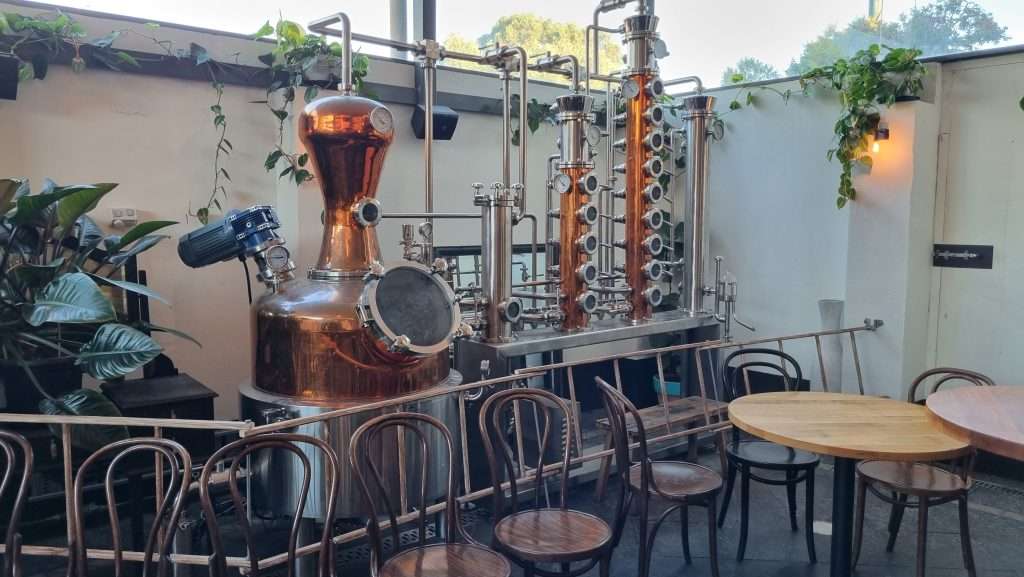
How is kirsch made?
According to the dossier, production can be described in four steps.
1. Mash and fermentation
The cherries are filled whole or destoned into a cask or tank. There they ferment at a controlled temperature, usually for two to six weeks, with wild yeasts from the skin or with cultured yeasts; genetically modified yeasts are not permitted. The mash is then left to rest for a few more weeks so that the cherry aromas can develop. The alcohol content of the mash is 6 to 8% vol.
2. Distillation
Distillation takes place in pot stills, mostly made of copper with a reinforced base. With a reinforced base, distillation is carried out once, without it twice – in each case to less than 86% vol. How much fruit is needed for this is stated by a distillery in Oberkirch in an article from Black Forest Tourism: around eight kilos of fruit are needed for one litre of kirsch.
3. Storage
Storage is, for example, in stoneware or stainless-steel containers, often also in casks of ash or chestnut, which preserve the clarity of the distillate. Oak, bourbon or rum casks are also used.
4. Drinking strength and bottling
Finally, where applicable, various Black Forest distillates are blended and brought to drinking strength with water. According to the dossier, additives, colourings (including caramel colour), sweeteners and oak chips are excluded.
| Key figure | Value |
|---|---|
| Fermentation time of the mash | usually two to six weeks |
| Alcohol content of the mash | 6 to 8% vol |
| Alcohol content of the distillate | 60 to 85.9% vol (distillation always below 86% vol) |
| Ready-to-drink Schwarzwälder Kirschwasser | at least 40% vol |
| Minimum content under EU law for fruit spirit | 37.5% vol |
The minimum strength of 40% vol is also confirmed by the Chemisches und Veterinäruntersuchungsamt Freiburg. It also states there that an addition of sugar of up to 10 g/l is only possible without a geographical designation such as “Schwarzwälder”.
What may appear on the label
The dossier also regulates additions to the designation. Indications of origin within the area, such as “Ortenauer Kirschwasser”, are permitted if the cherries and the distillery come from this smaller unit. Statements on storage or maturation require at least twelve months of storage. References to special maturity or great age are permitted only from three years; terms such as “VSOP” or “VS” are excluded.
Enjoying kirsch
Traditionally, kirsch is drunk neat; as a guideline, Wikipedia gives a temperature of 14 to 16 °C. It is also used as a flavouring, for example in cheese fondue and in Black Forest gateau.
There is even a description for the cake: The Guidelines for Fine Bakery Products of the German Food Book Commission describe Black Forest gateaux as “kirsch cream cakes or kirsch buttercream cakes”. The proportion of kirsch added must be clearly perceptible in taste. You can read more about the cake in our article on Black Forest gateau.
Visiting distilleries
Anyone who wants to learn more about the art of distilling will find at Black Forest Tourism the Oberkircher Brennersteig in the Ortenaukreis, which is designated as a hiking and culinary tour. Visits to distilleries are often possible only by arrangement: the Brennerei Grüner Baum in Oberkirch mentions visits by prior telephone arrangement.
Enjoying responsibly
- In road traffic, according to the awareness campaign “Alkohol? Kenn dein Limit.”: no alcohol – even small amounts impair fitness to drive.
- During pregnancy, alcoholic drinks should be avoided (Kenn dein Limit).
- Spirits may not be sold or served to children and young people in licensed premises and shops (§ 9 Youth Protection Act).
- Before and during a sauna session, alcohol is, according to Apotheken Umschau particularly risky.
Experiencing regional cuisine in the Southern Black Forest
Our hotel is located in Ühlingen-Birkendorf in the district of Waldshut (see press release from the Regierungspräsidium Freiburg (Freiburg Regional Council)) – and therefore in the area of origin of Black Forest kirsch (Kirschwasser). At Restaurant Sonnenhof, head chef and hotelier Uli Blatter cooks creative Baden-style dishes with regional ingredients; the menu changes with the seasons. You will find an overview on our page Culinary delights in the Black Forest.
If you would like to combine the cuisine with a stay of several days: with the package Pleasure for the senses you can look forward to a 5-course candlelight dinner on the second evening. After a day in the spa area with saunas and indoor pool this makes for a calm end to the day. You can book directly on our Book page.
Frequently asked questions
What is the difference between kirsch and Kirschwasser?
Both terms essentially refer to a cherry brandy. For the protected Black Forest product, the dossier lists “Schwarzwälder Kirschwasser”, “Schwarzwälder Kirschbrand” and “Schwarzwälder Kirsch” as permitted designations.
How much alcohol does Black Forest kirsch contain?
At least 40% vol. EU law requires 37.5% vol. for fruit spirit, so the requirement for Black Forest kirsch is slightly higher.
Is kirsch sweetened or flavoured?
Flavouring is not permitted for fruit spirit. For Black Forest kirsch, the dossier also excludes colourings and sweeteners; only water may be added, to adjust the drinking strength.
Why is kirsch usually colourless?
The distillate is often stored in stoneware or stainless steel containers, or in barrels made of ash or chestnut, which preserve its clarity. After storage in a wooden barrel it can turn yellowish to brownish.
Does a Black Forest gateau have to contain kirsch?
Yes. According to the guidelines for fine baked goods (Leitsätze für Feine Backwaren), Black Forest gateaux are kirsch cream cakes or kirsch buttercream cakes; the kirsch must be clearly noticeable in the taste.
Which cherries is Black Forest kirsch distilled from?
From distilling cherries grown in the Black Forest, above all the varieties Dollenseppler and Benjaminler. Dessert cherries are excluded.
Sources
- European Commission, eAmbrosia: Technical dossier “Schwarzwälder Kirschwasser” (draft, as of 9 November 2015)
- Regulation (EU) 2019/787, Annex I (definitions of spirit drinks, category 9 fruit spirit)
- Regierungspräsidium Karlsruhe: Spirit drinks with protected origin from Baden-Württemberg
- Chemisches und Veterinäruntersuchungsamt Freiburg: Strong spirits from the region
- Schwarzwald Tourismus: 300 years of distilling rights in the Black Forest
- Schwarzwald Tourismus: Kirsch and fruit brandies
- Schwarzwald Tourismus: Grüner Baum distillery, Oberkirch
- Guidelines for fine baked goods (BMLEH, German Food Code Commission), No. 2.2.7.4
- Wikipedia: Kirschwasser (supplementary)
- Youth Protection Act (Jugendschutzgesetz), § 9 Alcoholic drinks
- “Alkohol? Kenn dein Limit.”: Alcohol and driving
- “Alkohol? Kenn dein Limit.”: Alcohol during pregnancy
- Apotheken Umschau: Sauna – how the body benefits
- Regierungspräsidium Freiburg: Press release on the L 157 in the Schlüchttal (location in Ühlingen-Birkendorf, Waldshut district)
You might also like
Baden-style Schäufele: origins, preparation and recipe
Schäufele from Baden: what makes the cured, smoked pork shoulder special, how it differs from the Franconian one, plus a recipe and side dishes.

Black Forest gateau: history and classic recipe
Black Forest gateau: who invented it is disputed. What the guidelines require, plus a classic recipe for the 26 cm springform tin.
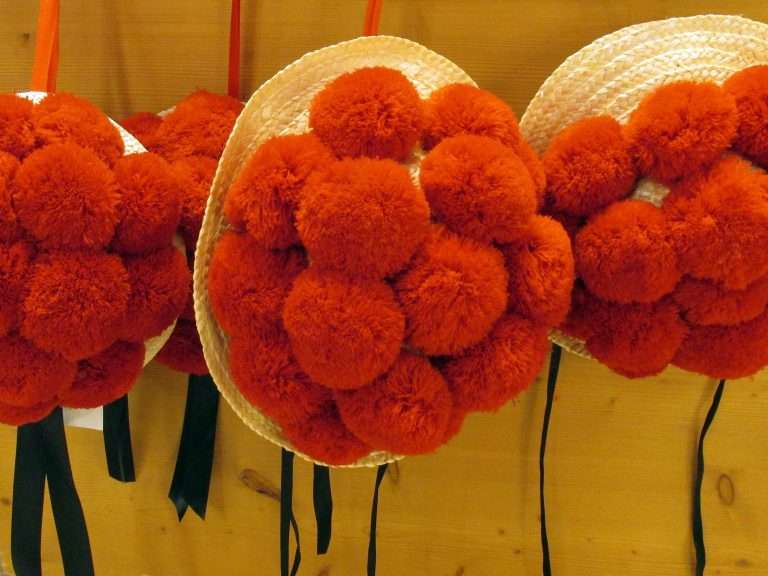
Bollenhut: Origin, meaning and where to see it
Bollenhut: Origin from Gutach, Kirnbach and Reichenbach; meaning of red and black; 14 balls – and museums where you can see the traditional costume.
 Deutsch
 English (UK)
 Français
