
Why is the Black Forest called the Black Forest? The honest answer is: what is firmly documented is when the name first appears. Why the forest was called “black”, on the other hand, has not been conclusively explained. It is most often explained by the dark, dense forest. According to our research, the often-told story of the Romans and the “Silva Nigra” cannot be supported by ancient sources.
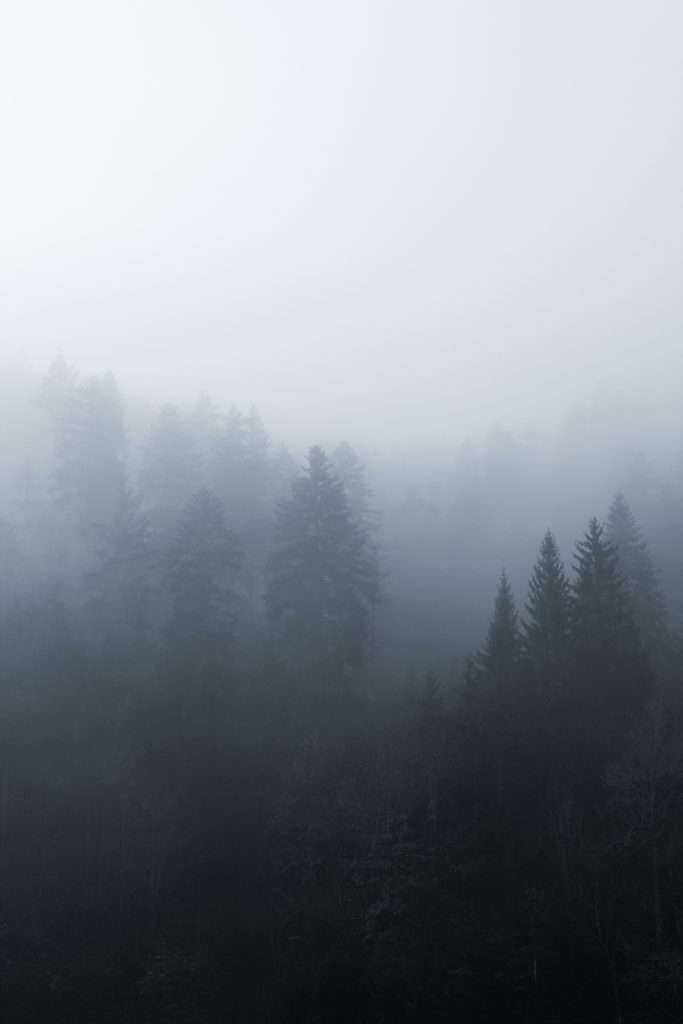
Why is the Black Forest called the Black Forest? The short answer
The German name is first recorded in 868, in a charter of the St. Gallen monastery. It speaks there of a “saltu Svarzwald”. Both Planet Wissen and Wikipedia report this.
The reason for “black” is usually seen in the impression of a dark, dense forest that is hard to access. Planet Wissen describes the Black Forest as a landscape made up of about 80 per cent firs and spruces, “in other words dark coniferous forest”. There is, however, no evidence that the name-givers meant exactly that. The website schwarzwald-geschichte.de also says that the origin of “black” has not been fully clarified.
Where does the name Black Forest come from? The Romans and “Silva Nigra”
A popular explanation is that the Romans called the forest “Silva Nigra”, Latin for “black forest”. Schwarzwald Tourismus, for example, tells it this way, though as a story that people tell. Planet Wissen also names the Romans as the name-givers.
The ancient authors who mention the mountain range, however, use other names:
| Name | Source and period | Meaning |
|---|---|---|
| Abnoba mons | Pliny and Tacitus (1st century), Ptolemy (around 150) | Name of a mountain range, assigned to the Black Forest |
| Marcianae silvae | Ammianus Marcellinus (4th century) | probably “border forest” |
| Svarzwald / Swarzwald | Charter of the St. Gallen monastery, 868 | first German form of the name |
The Latin form “silva nigra”, by contrast, appears in medieval charters. This is stated by schwarzwald-geschichte.de. Whether this expression was already in use in Roman times is not documented.
Abnoba and the Marciana Silva: names from antiquity
According to Wikipedia, the name “Abnoba mons” is predominantly associated with the Black Forest. It is found in Pliny and Tacitus. According to schwarzwald-geschichte.de, Abnoba was a Celtic goddess whom the Romans equated with Diana.
Ammianus Marcellinus speaks of the “Marcianae silvae”. Wikipedia derives this from the Germanic word for “border”. The Black Forest therefore probably marked the frontier region with the Marcomanni east of the Roman limes. This too is an interpretation, not an established fact.
Why “black”? Several explanations, none established
The dark forest
Dense canopies let little light reach the ground. Anyone who experiences a large, sparsely settled wooded mountain range perceives it as dark. This explanation is the most widespread, but it remains a conjecture.
Firs and spruces
Today conifers shape the picture. However, according to schwarzwald-geschichte.de, the high proportion of spruce largely stems from reforestation in the 19th century, after many areas had been cleared. Deriving the name from today's spruce alone therefore falls short.
A forest that has changed
The forest was not always as we know it. According to a specialist article by Helmut Volk (FVA Baden-Württemberg), the managed forest in the Southern Black Forest reached a low point around 1790 through intensive use. Around the Feldberg the proportion of forest was then about 30 per cent; pasture fields and Reutberge (hillsides cleared for farming) shaped the landscape. Today it is about 70 per cent there.
Forest and people: timber, ore and monasteries
The name tells only part of the story. According to Schwarzwald Tourismus, people penetrated deeper into the forest in the Middle Ages, among other reasons because of ore and silver; Irish and Scottish missionaries founded monasteries. Later, many trees were felled for shipbuilding and for charcoal. Especially large firs, the “Holländer”, served as masts for the Dutch merchant fleet and were transported on rafts down the rivers to the Rhine.
The specialist article by the Forest Research Institute (FVA) also shows how strongly use shaped the forest: around 1790 the Southern Black Forest had many pasture fields, even on steep slopes. Coppice management ended around 1930. Today mixed forests grow there, with spruce, fir, maple, rowan and beech, among others.
The Black Forest in numbers
- The highest mountain is the Feldberg at 1,493 metres above Normalhöhennull (NHN, the German height datum).
- According to Wikipedia, this low mountain range in south-west Germany covers more than 6,000 square kilometres.
If you would like to experience the forest in the Southern Black Forest for yourself, you will find ideas in the article Excursion destinations in the Black Forest.
Experiencing the Black Forest: symbols and destinations
The Black Forest also includes its familiar images. One of them is the Bollenhut; we explain its origin in a separate article. If you would like to experience the dark gorges in the forest for yourself, you will find suggestions in our article on Wutach Gorge and to Ravenna Gorge.
The Black Forest on the doorstep: our hotel in Birkendorf
We are in Birkendorf in the southern High Black Forest, at 800 metres above sea level, in the Rothauser Land. The forest is not far from the hotel. After a walk beneath the trees, our Wellness area with panoramic sauna and forest view and the indoor pool (84 m²) awaits you. The area is open daily from 9:00 to 20:00.
In our Restaurant Sonnenhof we serve creative Baden cuisine with regional ingredients. All Arrangements include an overnight stay, breakfast buffet, gourmet menu and use of the spa facilities. You can book directly at Book a room.

Frequently asked questions about the name of the Black Forest
Why is the Black Forest called the Black Forest?
The name has been recorded since 868. It is usually explained by the dark, dense forest. There is no conclusively established origin.
When was the name Black Forest first mentioned?
In a charter of the St. Gallen monastery from the year 868, spelt “Svarzwald”.
Did the Romans call the Black Forest “Silva Nigra”?
This is often claimed but is not documented. Ancient authors call the mountain range “Abnoba mons” or speak of the “Marcianae silvae”. “Silva nigra” is known from medieval charters.
What was the Black Forest called in the past?
In antiquity the name “Abnoba mons” is recorded; in Ammianus Marcellinus (4th century) “Marcianae silvae”.
How high is the highest mountain in the Black Forest?
The Feldberg is 1,493 metres high. Some sources give 1,494 metres, depending on the measurement and reference height.
Has the Black Forest always been so heavily wooded?
No. In the Feldberg area the proportion of forest was about 30 per cent around 1790; today it is around 70 per cent (specialist article by Helmut Volk, FVA Baden-Württemberg).
Sources
- Planet Wissen: The Black Forest low mountain range
- Schwarzwald Tourismus: The name of the Black Forest
- Wikipedia: Black Forest
- Wikipedia: Abnoba mons
- schwarzwald-geschichte.de: Why the Black Forest would almost be called the Abnoba Mountains today
- FVA Baden-Württemberg (waldwissen.net): Southern Black Forest, forest change since 1790
- Feldbergbahnen: Feldberg 1,493 m
You might also like

Freiburg attractions: Day trip to the Black Forest metropolis
Attractions in Freiburg: Münster, the Bächle stream, Schlossberg hill and the Christmas market in 2026 – with directions, parking and tips for day trips from Birkendorf.
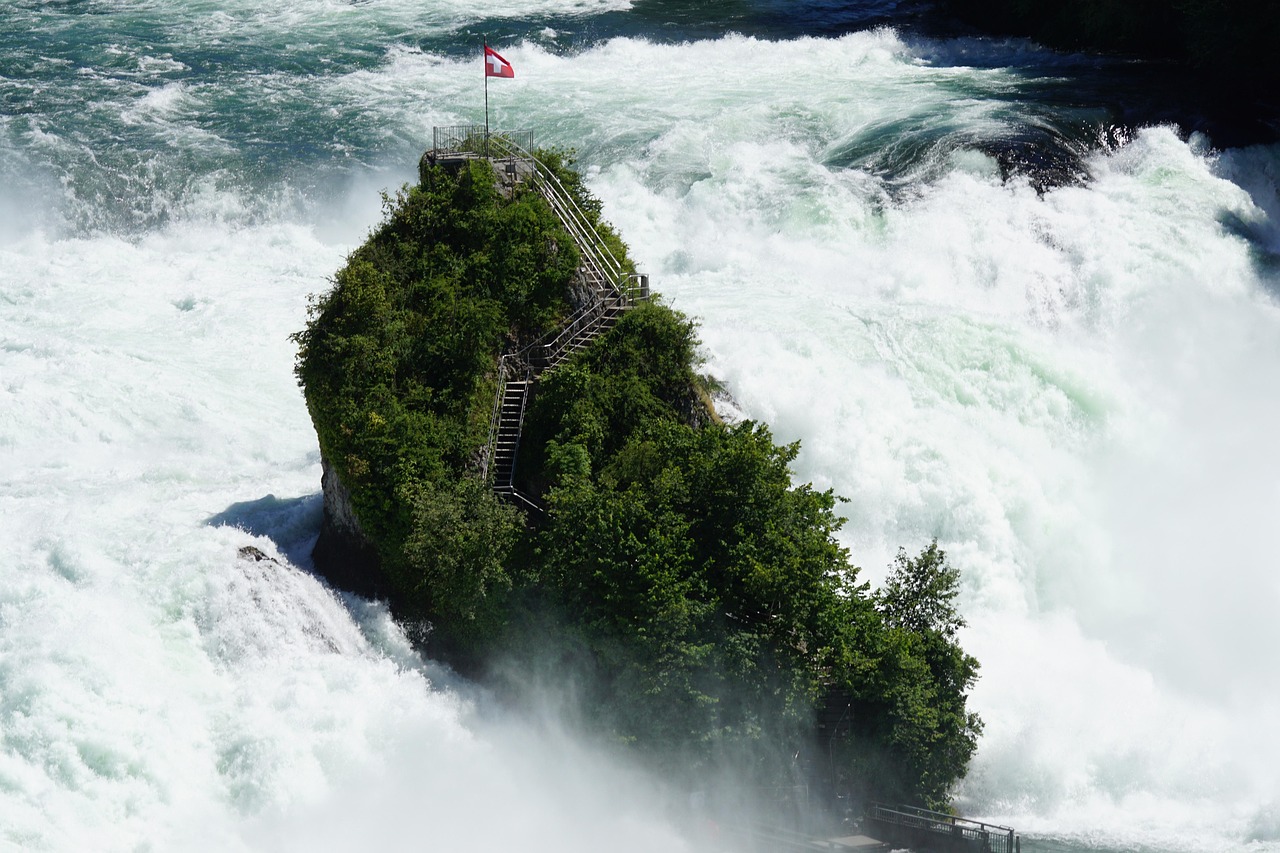
Rhine Falls Schaffhausen: Europe's largest waterfall as a day trip
The Rhine Falls near Schaffhausen — Europe's largest waterfall: views, boat trips, admission and getting there from the Hotel Sonnenhof in 45 minutes.

Black Forest House of the Senses: interactive museum in Bad Rippoldsau
Black Forest House of the Senses: 80 interactive exhibits for families. Slanted room, giant kaleidoscope, sensory pathway. Directions + tips from Hotel Sonnenhof + Sonnhalde.
 Deutsch
 English (UK)
 Français
